
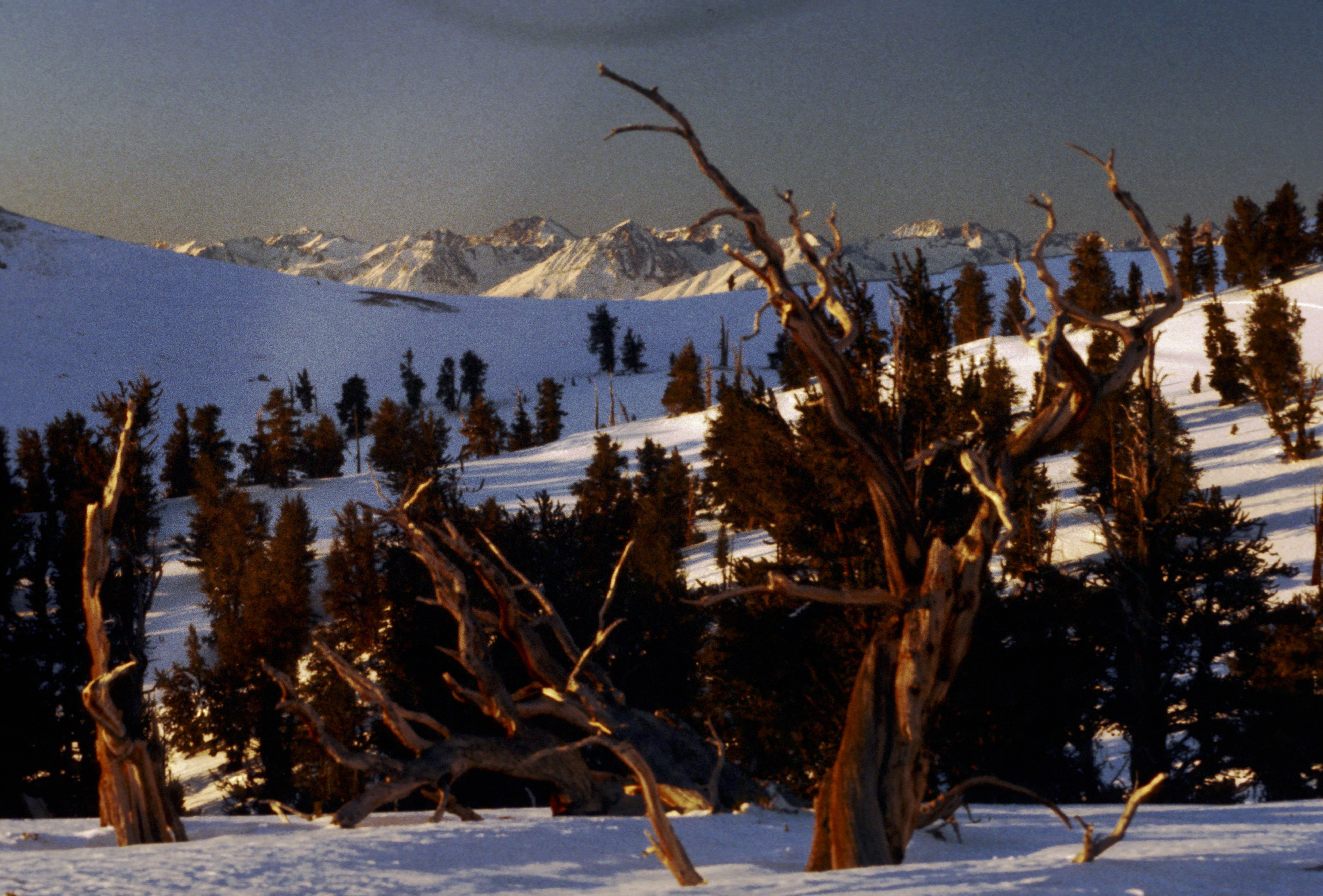
Humans are naturalists by nature. We like to use our wonderful, color sensing eyes to peer through the leaves into the netherworld beyond to better understand how our world works. We’ve hacked the leaves back quite a bit now but the instinct remains with us.

Photo Credit: Richard Garcia
Carbon dioxide has a nearly magical affinity for water. In the atmosphere it is known as a “well mixed” gas and this proclivity seems to hold for water as well. It doesn’t just turn into carbonic acid in a slower chemical reaction. This is only about 1% of dissolved CO2 at equilibrium. A far greater proportion likes to just dive in and take a swim as molecular CO2. While it is swimming around it becomes available for all sorts of slower chemical reactions including uptake by plankton.
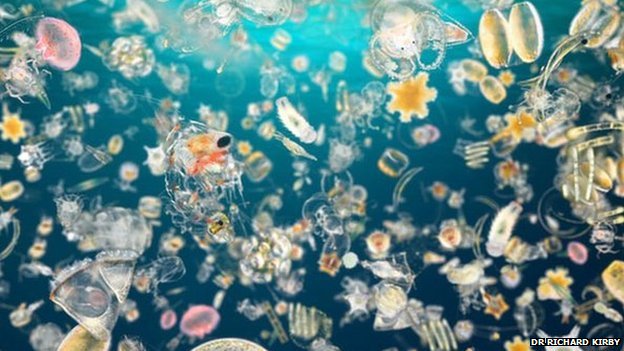
Alerted by something the naturalist pauses, the leaves are parted in a different way.
The weight of the atmosphere exerts pressure. At sea level we have defined this pressure as one atmosphere. Reasonable enough. The pressure is further divided into the pressures of the individual component gasses. These are “partial” pressures and we have all sorts of laws and equations governing the behavior of these partial pressures in the air and in water depending temperature, pressure, pH, the phase of the moon, etc. What a regular guy like Henry was doing writing the prominent law in this field I have no idea, but I suspect he may have been a naturalist. Most of the bean counting equations have names like: the Krichevsky-Kasarnovsky Equation. (wince)
The bottom line here is that because Carbon dioxide likes to swim so much it reaches equilibrium with water very quickly at whatever level the lawyers decree.
Something rustles in the debris behind the parted leaves, danger? Dinner? An omen?

Whether from scientific interest or some maritime mandate ships have been measuring the pCO2 of seawater for quite a while and they have amassed thousands of such measurements. The consistent result is that the pCO2 in the air is seven thousandths of an atmosphere higher than the water.
This is not natural…well, it is not physical since Carbon dioxide likes to swim too much to allow this to happen. Something else must be going on and a likely something is the plankton which are also fond of swimming. We believe they oxygenated the planet’s atmosphere, why should we doubt they would pump seven micro atmospheres of CO2 from the water to the air?











 geosciencebigpicture
